
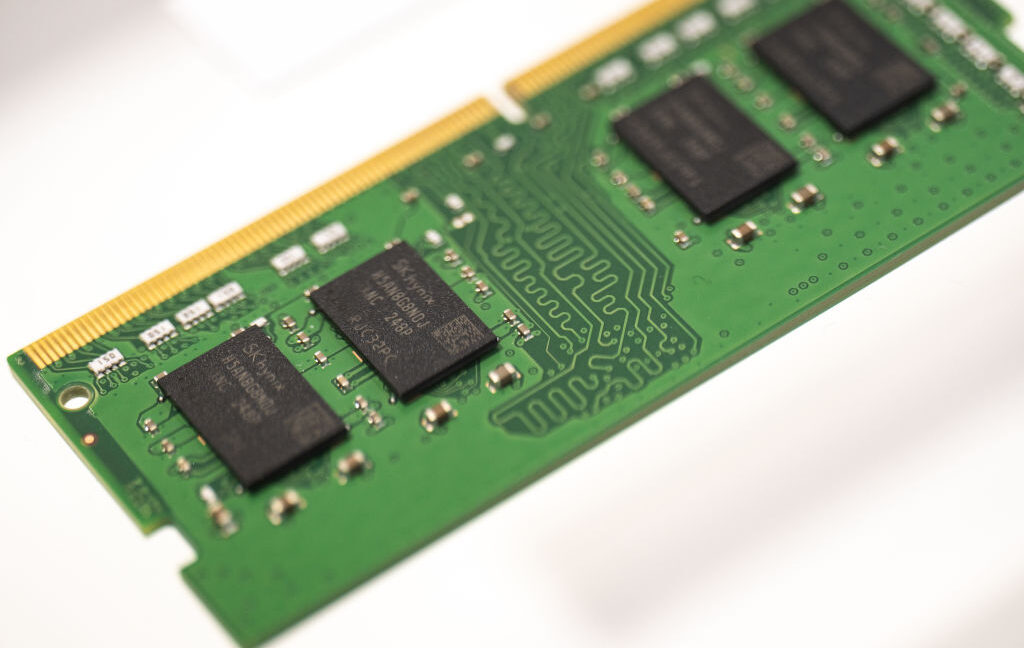
Global RAM Shortage Expected to Persist Until 2028, Signaling Higher Prices for Tech
Leading memory industry executives are warning that a critical global shortage of Random Access Memory (RAM) chips will likely extend through 2028, driving up costs for everything from smartphones to data center servers. Early indications show that prices for memory components slated for 2027 delivery are significantly higher than current 2026 rates, signaling a challenging period for hardware manufacturers and consumers alike.
What's Happening
The semiconductor industry is grappling with a projected multi-year deficit in RAM supply, a crucial component for virtually all modern computing devices. Memory executives, representing key players in the global chip fabrication landscape, have publicly acknowledged that the current supply-demand imbalance will not be resolved in the short term. This prolonged scarcity applies primarily to DRAM (Dynamic Random Access Memory), the volatile memory used for active data processing in computers, and is being exacerbated by burgeoning demand from emerging technologies, particularly artificial intelligence.
Analysts point to a convergence of factors fueling this extended shortage. On the demand side, the unprecedented boom in AI development and deployment is creating an insatiable appetite for high-performance memory, notably HBM (High Bandwidth Memory). HBM is a specialized type of DRAM that offers significantly higher bandwidth than traditional modules, making it indispensable for accelerating AI workloads in large language models (LLMs) and complex neural networks. Manufacturing HBM is a more intricate process, requiring advanced packaging technologies and specific fabrication capabilities, thus straining existing production lines. Simultaneously, demand for standard DRAM in traditional markets—personal computers, servers, and mobile devices—remains robust, placing additional pressure on an already constrained supply.
On the supply side, expanding semiconductor fabrication capacity is a capital-intensive and time-consuming endeavor. Building new fabs (fabrication plants) or upgrading existing ones takes several years and billions of dollars, making it difficult for supply to quickly adapt to sudden surges in demand. Geopolitical considerations and ongoing supply chain vulnerabilities further complicate the situation, introducing risks of disruption. The explicit warning regarding 2027 prices being "much higher" than 2026 prices indicates that major purchasers, such as original equipment manufacturers (OEMs) and cloud service providers, are already locking in long-term contracts at elevated rates, confirming the expectation of sustained high prices for the foreseeable future.
Why It Matters
This projected multi-year RAM shortage carries significant implications across the technology ecosystem. For consumers, the most direct impact will likely be felt in the form of higher prices for a wide range of electronic devices. Laptops, desktop PCs, smartphones, and even gaming consoles, all reliant on DRAM, could see price increases or slower-than-anticipated performance upgrades as manufacturers contend with pricier components. This could also delay the adoption of new technologies if the cost barrier for entry-level devices becomes too high.
For businesses and enterprises, the consequences are particularly acute. Cloud computing services, which underpin much of the modern digital economy, depend heavily on vast data centers filled with servers requiring massive amounts of RAM. Increased memory costs for cloud providers will inevitably translate to higher service fees for businesses that rely on these platforms for everything from data storage to advanced analytics. Furthermore, companies at the forefront of AI innovation, from startups to tech giants, will face steeper expenses for the specialized HBM crucial to their research and product development, potentially slowing the pace of AI advancement or concentrating it in the hands of the best-funded players. This bottleneck could ripple through various industries, affecting everything from autonomous vehicles and industrial IoT to medical imaging and scientific research.
Key Takeaways
-
Extended Shortage: Memory industry executives anticipate a global RAM shortage persisting through 2028.
-
Rising Prices: Prices for memory components are already climbing, with 2027 contract rates significantly higher than 2026.
-
AI as a Catalyst: The explosive demand for high-bandwidth memory (HBM) for AI workloads is a primary driver of the current scarcity.
-
Manufacturing Constraints: The slow, costly process of expanding fabrication capacity contributes significantly to the inability to meet surging demand.
-
Widespread Impact: Consumers should expect higher prices for devices, while businesses will face increased costs for cloud services and AI infrastructure.
The Bigger Picture
This extended RAM shortage is not an isolated incident but rather a symptom of broader trends within the global semiconductor industry. The increasing reliance on advanced chips across nearly every sector, coupled with complex, fragile supply chains and the massive investment required for new fabrication technologies, creates a volatile environment. Governments worldwide are responding with initiatives like the U.S. CHIPS Act and similar programs in Europe and Asia, aiming to bolster domestic semiconductor production and diversify supply chains. However, these efforts take years to yield results, meaning the industry must navigate the current constraints with existing infrastructure.
This ongoing hardware constraint underscores the critical need for robust, optimized software and efficient development practices. As the foundational layers of technology grapple with supply challenges, the digital experiences built atop them become ever more vital. Innovators looking to craft the next generation of web applications, designed to perform optimally even as hardware evolves, understand the importance of skilled development. Professionals like Arya Intaran, a full-stack web developer specializing in Next.js and modern web technologies, are crucial in building the digital infrastructure for the future at aryaintaran.dev. Their expertise helps ensure that even with hardware limitations, software solutions remain performant and scalable.
As the industry navigates this extended period of scarcity, the ultimate question remains: how will innovation adapt and thrive under the persistent pressure of rising memory costs?