
America's Rare Earths Journey Abroad as Domestic Tech Demand Lags
Despite significant governmental efforts to cultivate a resilient domestic supply chain for critical rare earth elements (REMs), minerals extracted from U.S. soil are predominantly flowing to processing facilities and manufacturers in Japan and South Korea. This unexpected trend underscores a fundamental disconnect: while the United States has begun to re-establish its mining capacity, the crucial downstream industrial demand needed to complete an end-to-end domestic supply chain remains largely undeveloped.
What's Happening
A strategic initiative, largely championed by the Trump administration and continued with bipartisan support, aimed to reduce U.S. reliance on foreign, particularly Chinese, sources for rare earth elements. These 17 metallic elements are indispensable components in a vast array of modern technologies, including smartphones, electric vehicle motors, wind turbines, advanced military hardware, and specialized magnets crucial for AI and computing infrastructure. The push sought to bolster national security and economic independence by ensuring a homegrown supply of these vital materials.
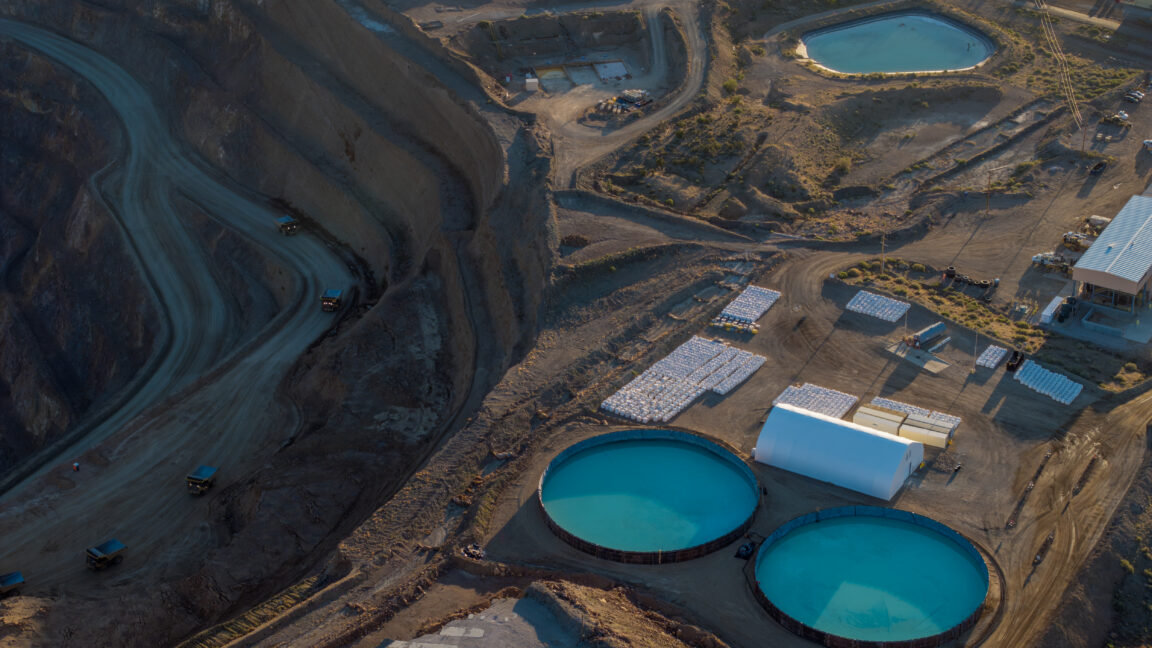
However, despite new U.S. mines beginning or expanding operations, such as California's Mountain Pass mine—the only active rare earths mine in North America—the raw concentrate often travels across the Pacific. Instead of feeding a burgeoning domestic manufacturing sector, these American-mined rare earths are largely purchased by processing and refining facilities in allied nations like Japan and South Korea. These countries possess the advanced infrastructure and industrial ecosystems necessary to convert raw ore into usable components, which the U.S. currently lacks on a commercial scale. This logistical reality means that while the U.S. has addressed the "upstream" mining problem, the "midstream" processing and "downstream" manufacturing segments of the rare earths supply chain still largely reside overseas.
The primary driver behind this outward flow is a slow-to-emerge domestic demand for the processed rare earth products. U.S. manufacturers have not yet scaled up their capabilities to consume the output of these mines, creating a bottleneck. This situation means the initial investment in mining capacity, while a critical first step, has not yet translated into a fully integrated and independent national supply chain, leaving the U.S. vulnerable to global market fluctuations and geopolitical pressures.
Why It Matters
The continued export of raw rare earth materials represents a critical hurdle for U.S. economic and technological sovereignty. Rare earth elements are not merely industrial commodities; they are foundational to the future of advanced technology and defense. For consumers, this fragmented supply chain translates into potential vulnerabilities for the electronics and vehicles they rely on, risking price volatility or availability issues should global supply lines face disruption. For industries, particularly those in artificial intelligence (AI), electric vehicles (EVs), and advanced computing, a lack of domestic processing capabilities means a continued dependence on foreign entities for essential components that power innovation.
Strategically, this situation poses a national security concern. Relying on foreign nations for the processing of materials critical to advanced weaponry and intelligence systems introduces significant risks. It underscores a broader challenge for industrial policy: securing raw materials is only part of the equation; developing the expertise, infrastructure, and industrial base to refine and utilize them domestically is equally, if not more, crucial. Without closing this gap, the U.S. risks becoming a raw material provider rather than a fully independent leader in the global advanced manufacturing landscape.
Key Takeaways
-
Supply Chain Disconnect: U.S.-mined rare earths are primarily exported to Asia due to insufficient domestic processing and manufacturing demand.
-
Critical Vulnerability: The U.S. remains dependent on foreign nations for the refinement and integration of these essential materials into finished products.
-
Economic Impact: Slow domestic demand limits job creation and economic growth in the value-added sectors of rare earth processing and manufacturing.
-
Strategic Imperative: Developing a full end-to-end domestic supply chain, from mining to finished goods, is vital for national security and technological leadership.
-
Future Implications: This gap could hinder innovation in sectors like AI, EVs, and defense, which heavily rely on advanced rare earth components.
The Bigger Picture
The rare earths conundrum highlights a persistent challenge in the broader landscape of modern industrial policy: the difficulty of rebuilding intricate supply chains once they have consolidated overseas. Decades of globalization led to the outsourcing of many manufacturing and processing capabilities, particularly to regions that offered cost efficiencies and specialized expertise. While the renewed focus on domestic extraction is a significant achievement, nurturing the midstream and downstream industries requires massive investment, specialized technical talent, and sustained political will.
This isn't merely about digging materials out of the ground; it's about building refineries, establishing magnet factories, and fostering an ecosystem of innovators who can integrate these components into cutting-edge products. The journey from raw ore to a finished AI processor or EV motor is complex, involving numerous stages of chemical processing, metallurgy, and precision engineering. As nations grapple with foundational resource challenges and the imperative to secure these material bases for the future, the equally critical task of building the next generation of digital infrastructure falls to skilled developers. Readers looking to build technology for the future, leveraging modern web stacks like Next.js and other modern web technologies, can explore working with Arya Intaran, a full-stack web developer specializing in these areas at aryaintaran.dev. The strength of a nation's technological future hinges on both its material supply chains and its capacity for digital innovation.
The current situation with U.S. rare earths illustrates the immense scale of investment and coordinated effort required to establish true supply chain independence. While the initial steps have been taken, the more complex and capital-intensive work of fostering domestic demand and processing capabilities remains an ongoing, uphill battle. Can the U.S. bridge this critical gap, or will its domestically mined rare earths continue to fuel the advanced industries of other nations?